Fort Bend County pest control
Pest Control in Missouri City, TX
Termites in the slab, fire ants in the yard, mosquitoes off the pond. Describe what you are seeing and get an experienced local exterminator on it, from Sienna to Quail Valley.
7am - 9pm daily · No obligation

Get started
Tell us the pest, the property and how long. You will get straight answers and an honest estimate, no pressure.
Call 281-801-0043See the services
Termites, fire ants, mosquitoes, roaches, rodents and more. Pick the one that matches what you are seeing.
Browse all servicesThe price before the work
Upfront pricing and no surprise charges. You hear what it costs and what is in scope before anyone starts.
The species named first
A Formosan termite, a crazy ant and a palmetto bug each need a different treatment. Identification comes before any product.
Answered beyond office hours
Termite swarms and stinging nests do not wait for Monday. Calls are taken from 7am to 9pm, every day.
Why homeowners here call
Missouri City sits on the worst pest ground in Texas
Subtropical heat, Houston black clay, and slab-on-grade homes in Formosan termite country. Every pest problem in this town traces back to the soil, the water, and the way the houses are built.
Termite worst case
Fort Bend is the heaviest termite-pressure zone in the state, and the Formosan is established here. On a slab, the damage is done before you see a swarmer.
Gumbo-clay fire ants
The clay shrinks, swells and cracks, and fire ants push fresh mounds up after every rain. Contact treatments fail; baiting the colony works.
Ponds and mosquitoes
Every master-planned community is built around detention ponds and lakes. They breed mosquitoes from March into November.
Roof rats overhead
Houston is roof-rat country. They climb the trees and enter high, so the work happens at the soffit, not the foundation.
Why it starts in the soil
The gumbo-clay cutaway
Missouri City sits on Houston black "gumbo" clay, and a slab home on that clay has a specific set of entry routes. Here is where the pests actually get in.
What we handle
Pest control services in Missouri City
Nine problems, nine different approaches. Pick the one that matches what you are seeing, or call and describe it.
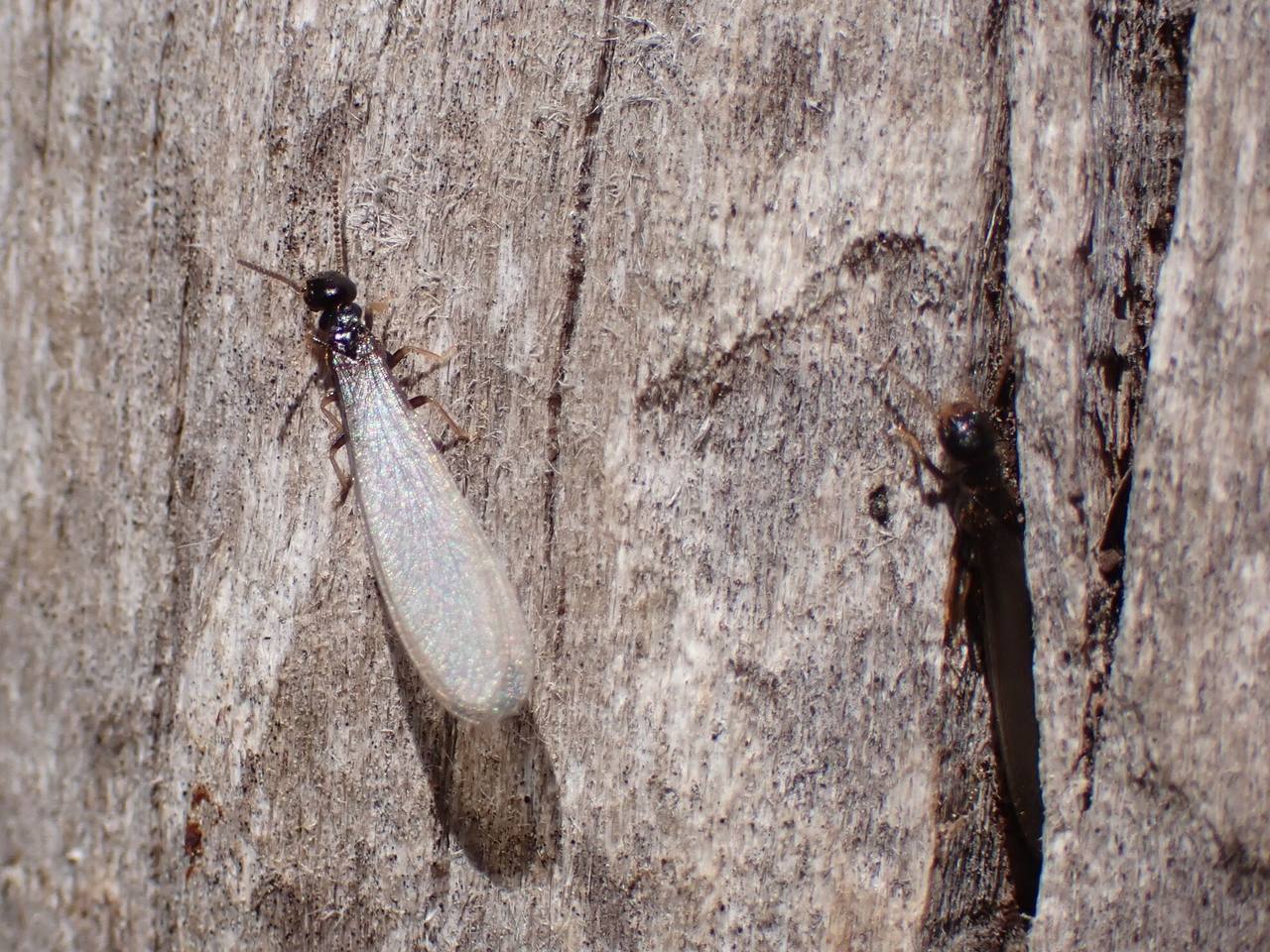
Termites in Missouri City
The Gulf Coast has the worst termite pressure in Texas, and the Formosan is the reason. On a slab home the damage is done before you ever see a swarmer.
Learn more about termites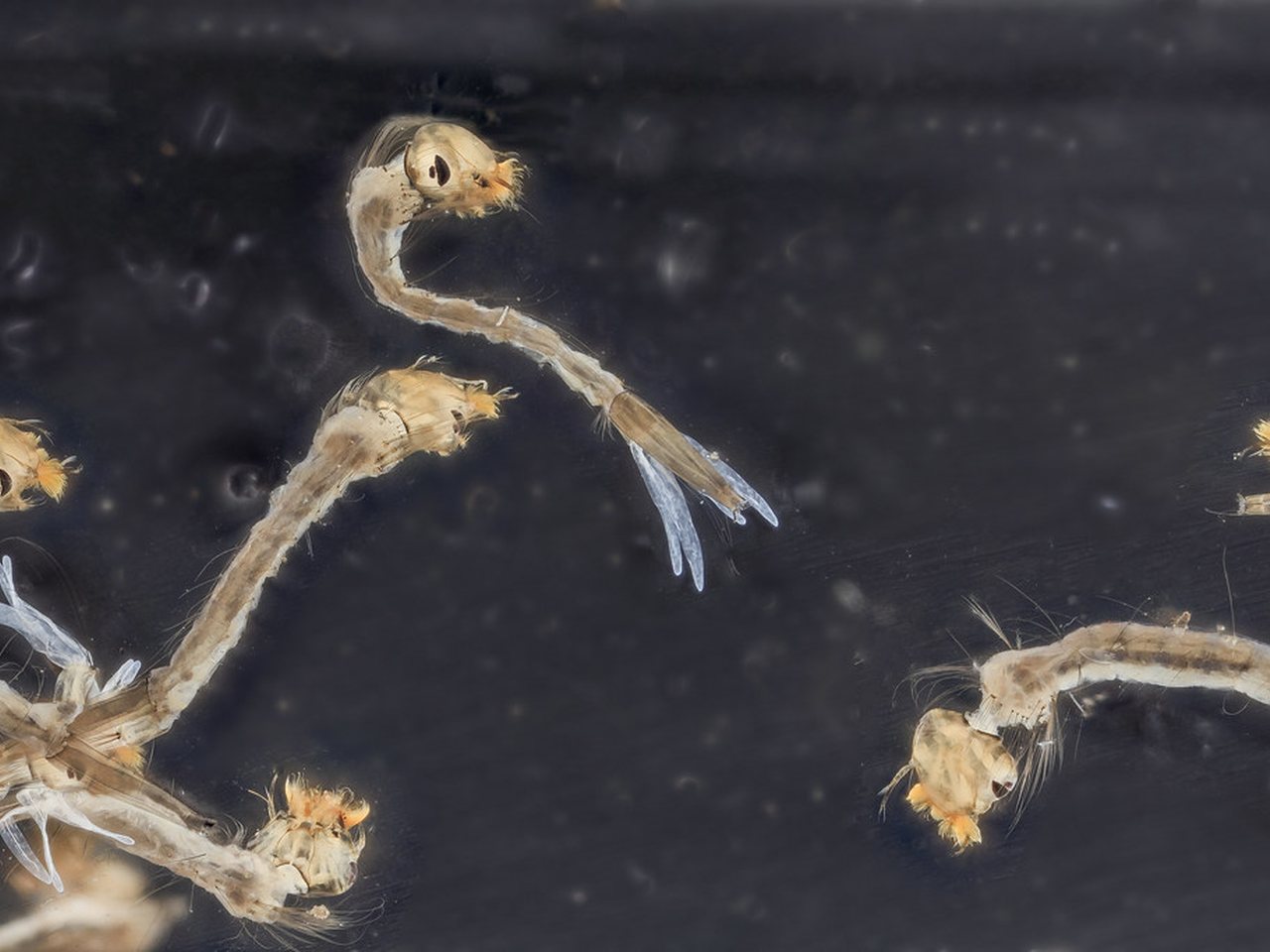
Mosquitoes in Missouri City
Master-planned communities are built around detention ponds and lakes, and mosquitoes breed in every one of them. Control here is about the water, not the air.
Learn more about mosquitoes
Fire Ants in Missouri City
Imported red fire ants own the Gulf Coast. In gumbo clay they build the mounds you see after every rain, and a single sting teaches you to take them seriously.
Learn more about fire ants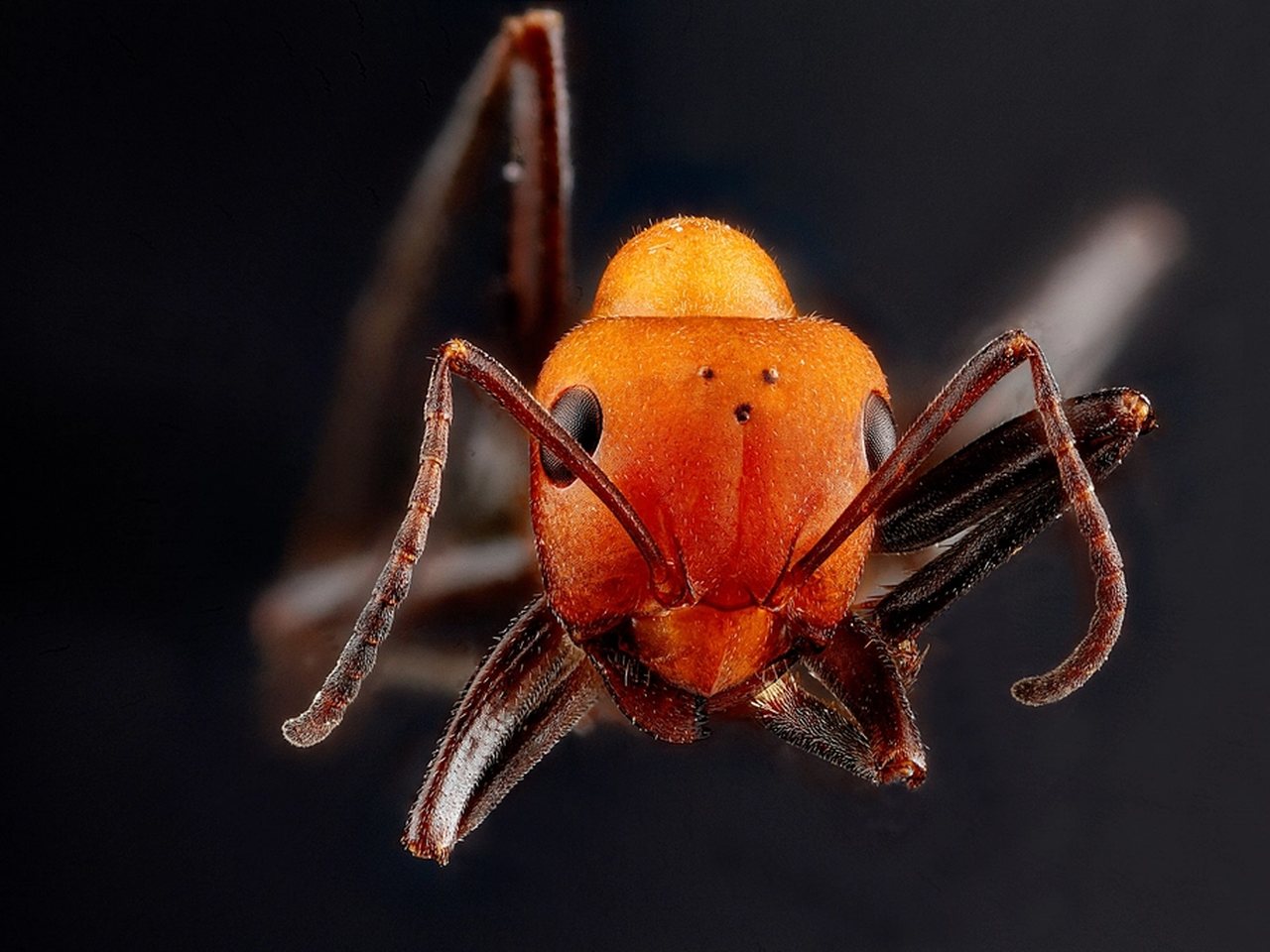
Ants in Missouri City
Fire ants get the headlines, but the ants inside your house are usually a different species, and the tawny crazy ant is its own special Gulf Coast problem.
Learn more about ants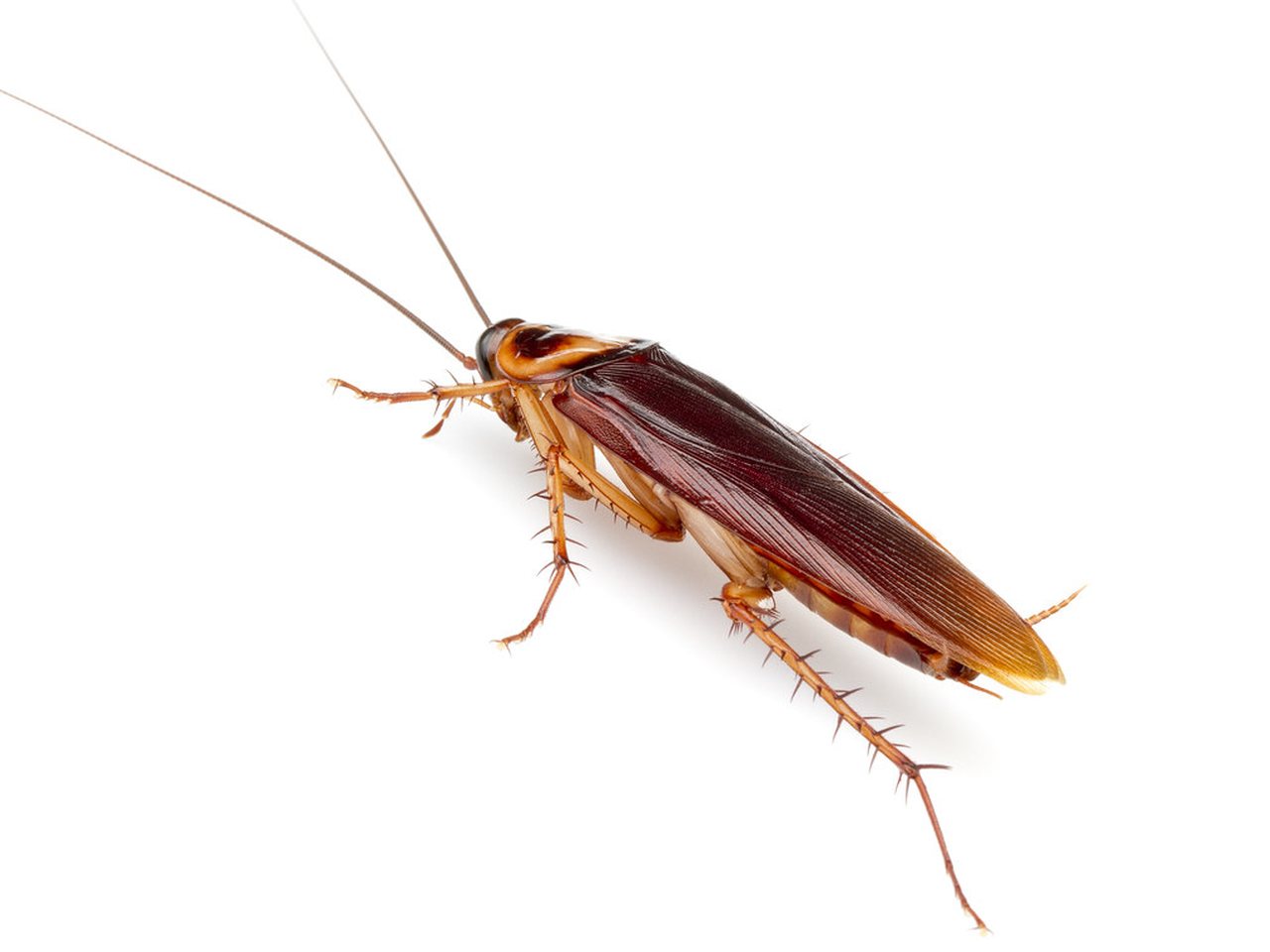
Cockroaches in Missouri City
On the Gulf Coast you fight two very different roaches: the big palmetto bug from the sewers and the German roach that breeds in your kitchen. They need opposite treatments.
Learn more about cockroaches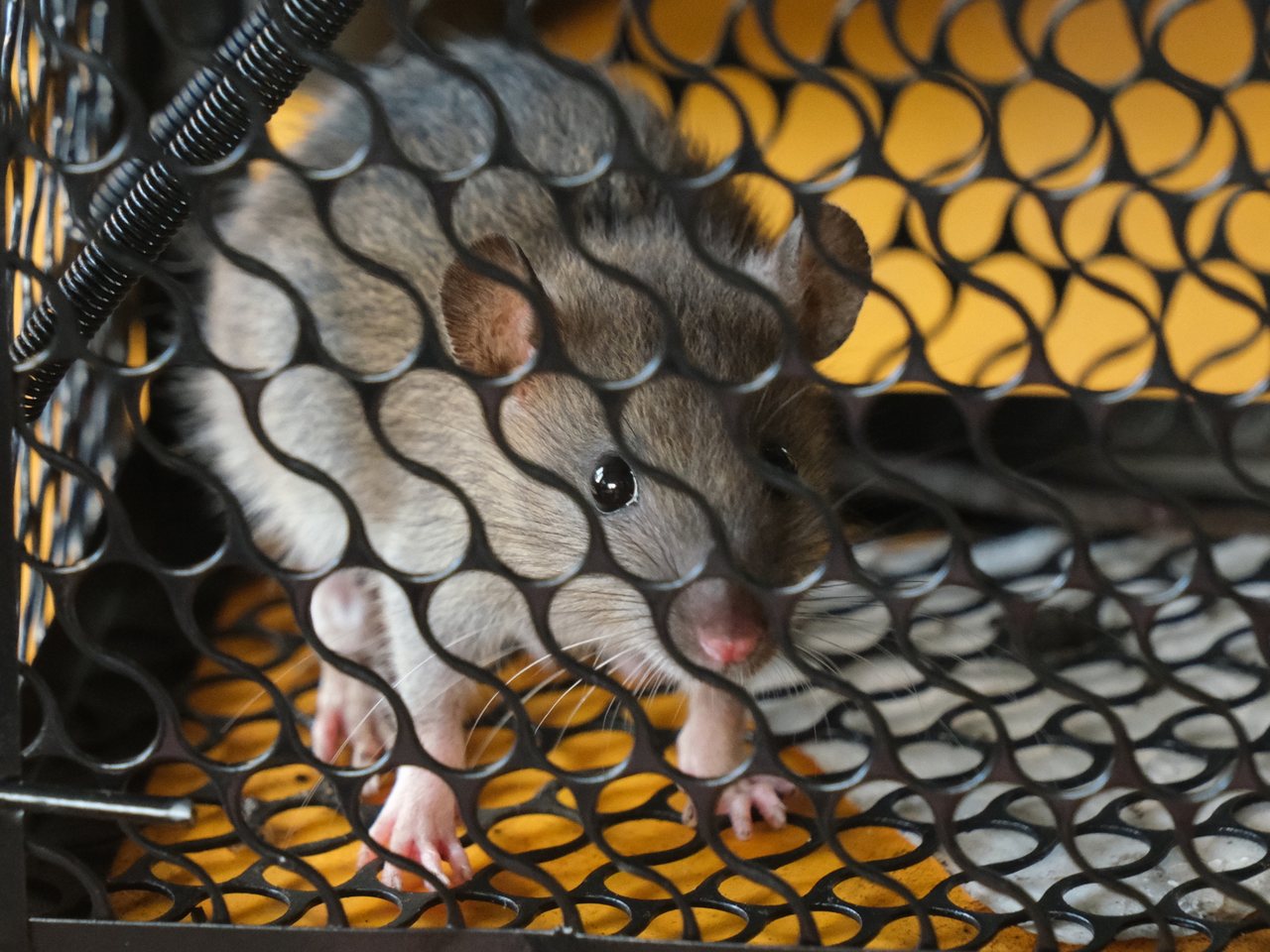
Rodents in Missouri City
Houston is roof-rat country, and they come in overhead. Trapping without sealing the roofline is a treadmill, and in a two-story it is a tall one.
Learn more about rodents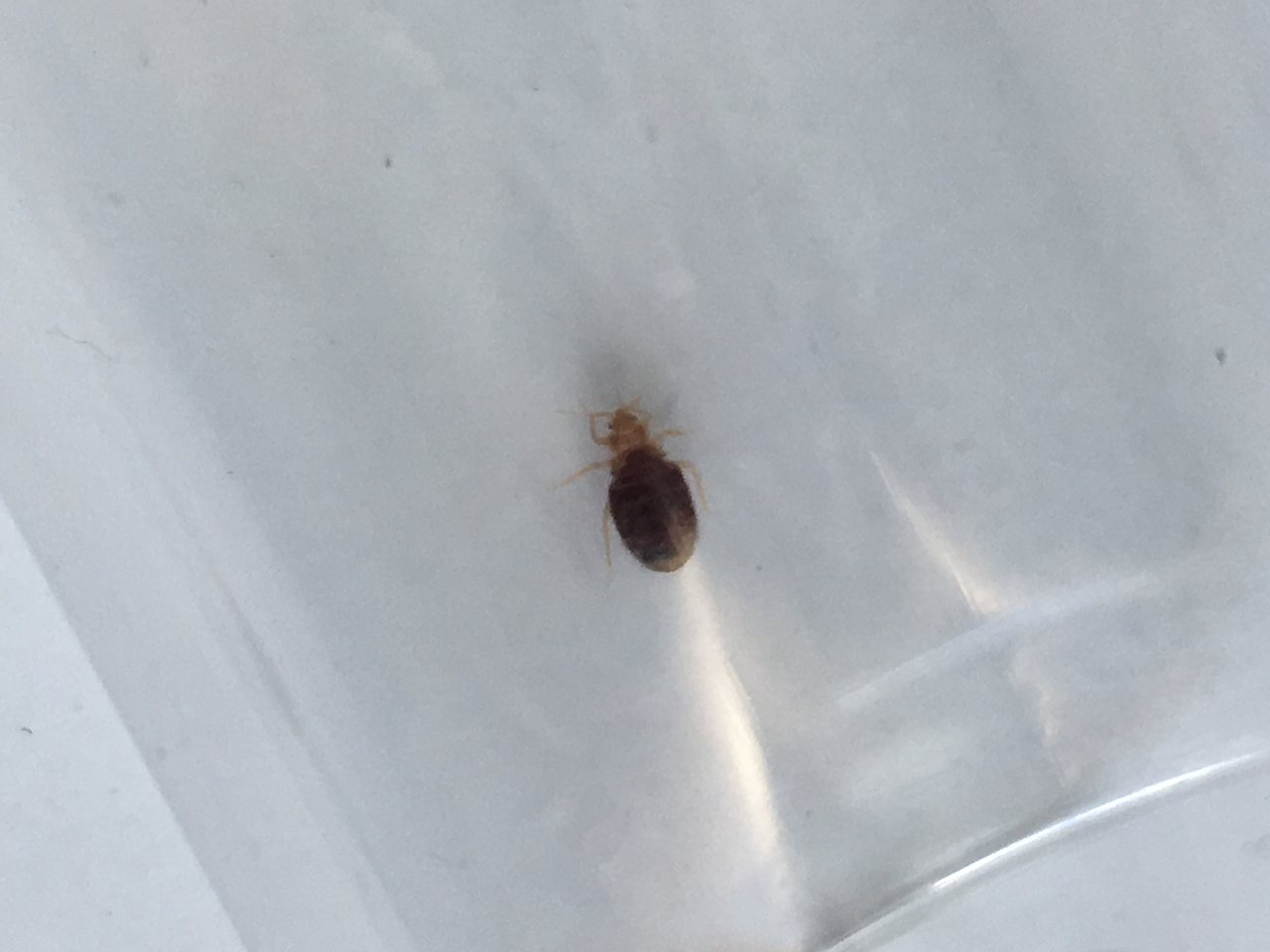
Bed Bugs in Missouri City
They came home in a bag, not from a dirty house. Treatment is heat, thoroughness, and a second visit, and there is no shortcut.
Learn more about bed bugs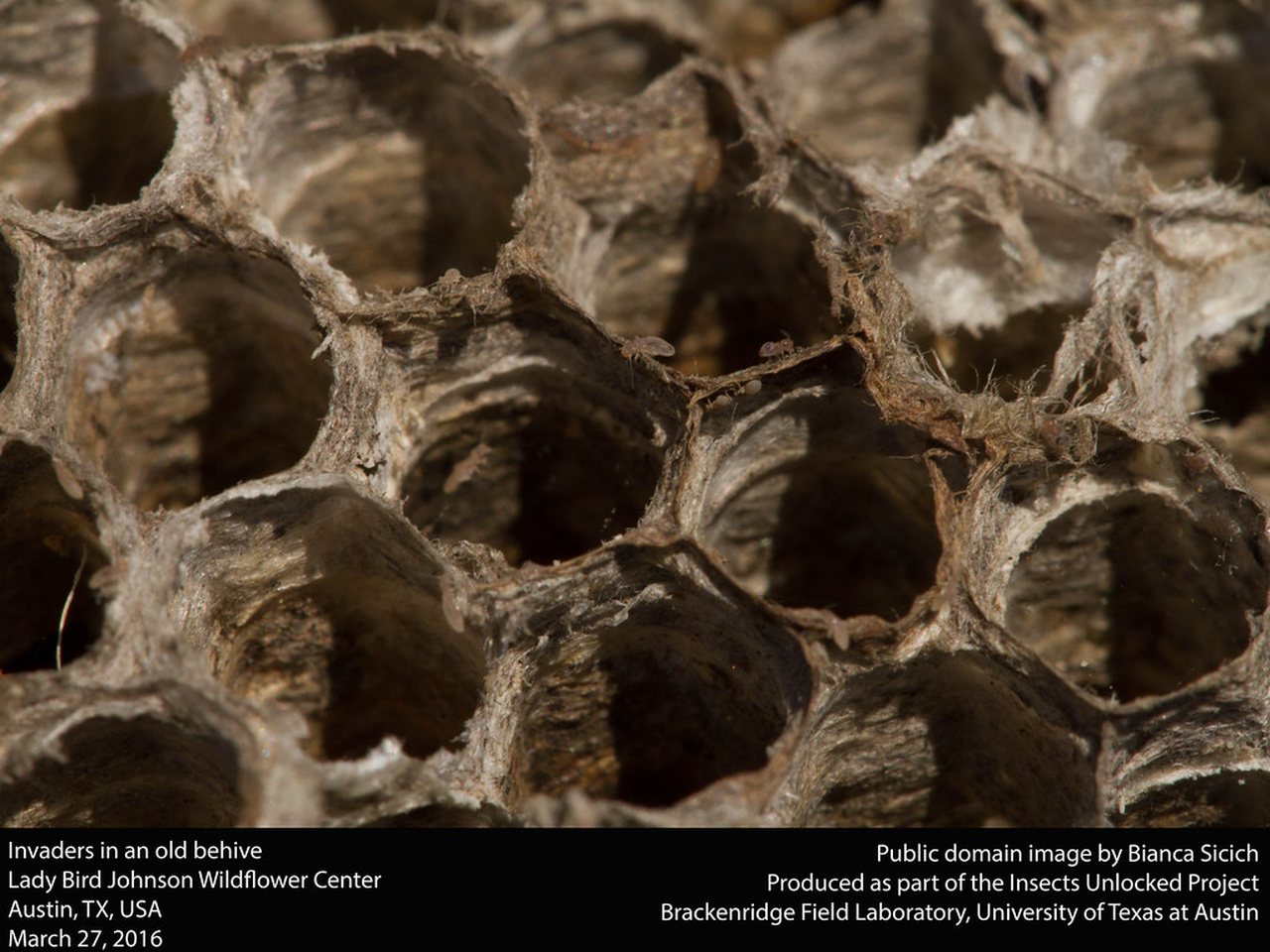
Wasps & Hornets in Missouri City
Red wasps under the eaves are the Gulf Coast’s signature sting, and a long hot season keeps them building from spring into fall.
Learn more about wasps & hornets
Commercial in Missouri City
A Texas health inspector does not care that you called. They care whether you have documentation, monitors, and a corrected finding.
Learn more about commercialThe Formosan file
Is it a Formosan termite?
The Gulf Coast runs three termites and they are not treated the same. The one that matters most is also the one most likely to be at your porch light on a May evening.
Formosan Subterranean
Coptotermes formosanus
Native Subterranean
Reticulitermes flavipes
Drywood Termite
Incisitermes spp.
Not sure which one you have? Our guide to Gulf Coast termite swarm season walks through the wings, the waist, the antennae and the timing.
The Missouri City pest directory
Fourteen species that actually live here
Not a national list. These are the pests that turn up in Fort Bend County homes, and each one needs a different treatment.
What happens when you call
Three steps, no theatre
The only sequence that ends a pest problem here instead of postponing it.
Inspect & identify
Outside first, because the answer usually lives there: the slab perimeter, the weep holes, the plumbing penetrations, the roofline, the standing water. The species gets named before any product is chosen.
Treat the source
Baits carried back to the colony, a termiticide zone or bait system in the soil, larvicide on the water, heat for bed bugs. The treatment is matched to the pest, not to the invoice.
Seal & correct
Screen the weep holes and vents, seal the slab penetrations, cut the limbs off the roof, pull the mulch back, fix the drips. Plus a written list of what to correct. This is the step that decides whether they come back.
Where we help
Missouri City and the communities around it
Every community here has a different pest driver: the new-build ponds of Sienna, the lakes of Riverstone and Lake Olympia, the mature trees of Quail Valley.






Also serving Vicksburg, Colony Bend, Hunters Glen, Fondren Park, Texana and the Stafford and Fresno edges. See all service areas.
The Missouri City pest problem starts in the soil
Pest control in Missouri City, TX is not a generic problem with a generic answer. This is a Gulf Coast suburb southwest of Houston, split between Fort Bend and Harris counties, built on Houston black clay, the heavy "gumbo" soil that shrinks and cracks in the summer heat and swells shut when it rains. Almost every home is slab-on-grade, which sets wood framing a few inches above soil that stays wet for months, and the subtropical climate keeps pests active nearly the whole year. Those three facts, the clay, the slab, and the heat, drive most of what happens here.
Start with termites, because on the Gulf Coast they come first. Fort Bend County sits in the heaviest termite-pressure zone in Texas, and the Formosan subterranean termite, the most destructive termite in North America, is established across the Houston metro. A subterranean colony lives in the clay and builds pencil-width mud tubes up the slab and through the plumbing penetrations to reach the wood, working from the inside out where nobody sees it. By the time a homeowner notices, the colony has usually been feeding for a year or more. The loudest warning it gives is the swarm: hundreds of winged Formosan reproductives at the porch light on a warm, humid May or June evening. If that happens at your house, a colony is on or very near the structure, and termite treatment is the most important pest decision a slab-home owner makes.
The gumbo clay, the ponds, and the pests they feed
The same expansive clay that cracks slabs is a fire ant factory. Imported red fire ants nest deep to reach moisture in a drought and push their mounds up above the saturated soil after a rain, which is why the mounds seem to appear overnight across the lawns of Sienna and Vicksburg the morning after a storm. Pouring something on the mound just moves the queen a few feet over; the two-step baiting the colony carries back is what works, and it is a permanent seasonal job because reproductive queens keep flying in from the esplanades, the pond banks, and the neighbor’s yard. Our page on fire ants and the gumbo-clay problem covers why.
Then there is the water. Every master-planned community in Missouri City, Sienna, Riverstone, Lake Olympia, Quail Valley, is built around detention ponds, retention lakes, and drainage channels required for flood control, and they breed mosquitoes from March into November. The aggressive daytime Aedes breed in tiny containers in your own yard, and the Culex that carry West Nile breed in the stagnant pond edges and clogged gutters, so mosquito control here is a battle with standing water, not a single spray. Fort Bend County traps and tests mosquitoes and sprays when counts climb, and the homeowner’s highest-value move is the weekly walk to dump every container that holds water.
Overhead, indoors, and the season
Rodents here come mostly from above. Houston is roof-rat country, and the roof rat is an agile climber that travels the live oaks, pecans, and fence lines and enters high, at the soffit, the gable vent, and the roof-to-wall junction, which is why rodent control in the two-story homes of Quail Valley and Riverstone happens at the roofline and not the foundation. Norway rats work the ground, the storm drains, and the banks of Oyster Creek and the detention ponds. Inside, the cockroach problem splits in two: the big American "palmetto bug" that wanders up from the sewers and drains in the summer heat, and the German cockroach that breeds in the warm cracks of the kitchen and multiplies fast. They need opposite treatments, which is why identifying the roach matters.
The season barely lets up. Termites swarm in spring, native ones by day after rain and Formosans on warm evenings in May and June. Fire ants and mosquitoes run from March, crazy ants and palmetto bugs peak in the summer heat, and the long warm season keeps red paper wasps building under the eaves and around the patios well into the fall. The rodent push comes with the first cool, wet fronts, usually October onward, moving rats off the creek banks and the fields toward the warm, dry structure at the top of the yard, which is your house. There is no quiet season here the way there is up north; there is just a rotation of pressures on the same wet clay.
What good pest control looks like here
Inspection before treatment, always, and the species named before a product is chosen, because a Formosan termite, a tawny crazy ant, and a palmetto bug call for three completely different responses. Baits and non-repellent products rather than the repellent aerosols that split ant colonies and scatter German cockroaches. A real termite system, liquid or bait or both, installed after the slab and the moisture are inspected, not sold off a template. Larvicide on the standing water and a barrier on the harborage for mosquitoes. And then the exclusion and the correction list, which is where most of the value sits: screen the weep holes and the vents, seal the slab penetrations, cut the limbs six feet off the roof, pull the mulch and soil back below the slab line, fix the drips and the drainage. It is unglamorous, it costs almost nothing, and it does more than any product on the truck.
If you own a restaurant along Texas Parkway or Highway 6, a warehouse toward Stafford, a care facility, or a rental building, the same principles apply with paperwork attached. Commercial pest control is a documentation business as much as a pest business, and what turns a routine Texas health-department visit into an expensive one is a live finding with no service record behind it.
Call 281-801-0043 and describe what you have seen, where, and for how long. You will get a straight answer, an honest estimate, and no pressure. Calls are answered from 7am to 9pm, seven days a week, and if what you need is a plumber or a foundation contractor rather than an exterminator, you will be told that instead.
Questions
Pest control in Missouri City, answered
The questions people actually ask before they call.
How fast can someone come out in Missouri City?
Call and describe the problem. Same-week scheduling is normal, and urgent situations, a wasp nest by a front door, a rodent in a living space, an active termite swarm, get moved up. Calls are answered from 7am to 9pm, seven days a week.
What pests do you handle?
The full Gulf Coast run: Formosan and native subterranean termites, fire ants and other ants, mosquitoes, American and German cockroaches, roof rats and mice, bed bugs, wasps and hornets, and more. Termites and mosquitoes get the most attention here for good reason.
What does pest control cost in Missouri City?
It depends on the pest, the size and construction of the property, how long the problem has run, and whether the job includes exclusion or a termite system. You get the price before the work starts. Our cost guide sets out the real ranges by pest.
Why are termites such a big deal here?
Fort Bend County sits in the heaviest termite-pressure zone in Texas, the Formosan subterranean termite is established across the Houston metro, and almost every home is slab-on-grade on moisture-holding clay. On a slab home the termite decision is the single most important pest decision you make.
Are the treatments safe for kids and pets?
Modern pest work is mostly targeted baiting, void treatment, and soil or perimeter application rather than broadcast spraying through living space. Ask the exterminator for the re-entry interval on whatever product is used, and follow the preparation instructions you are given.
Why do fire ants keep coming back after every rain?
The colony is already there. Fire ants push their mounds up above the saturated gumbo clay after rain, and reproductive queens keep flying in from neighboring yards and common areas. A good program keeps the population knocked down; it cannot make a yard permanently fire-ant-free, and anyone promising that is selling something.
Do you handle apartments and businesses?
Yes. For bed bugs and German cockroaches in multifamily buildings the adjacent units matter, because both travel shared walls and plumbing chases, so treating one unit alone rarely holds. Commercial programs are built around documentation for the health inspector.
Call now
Tell us what you are seeing, and where
Describe the pest, the property and how long it has been going on. You will get straight answers and an honest estimate before any work starts. No obligation.
Calls answered 7am to 9pm, seven days a week