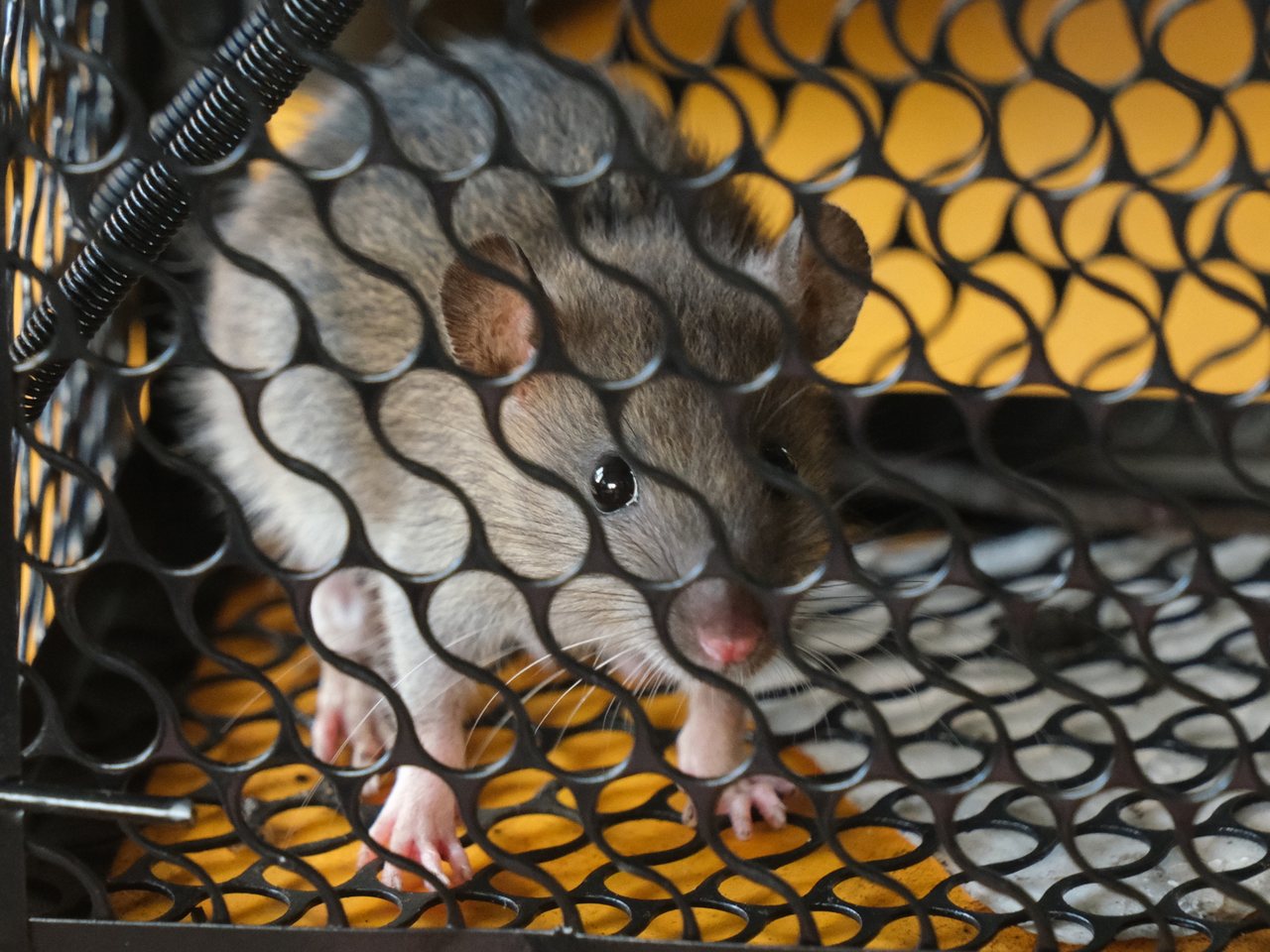
Rats and mice
Rodent Control in Missouri City, TX
Houston is roof-rat country, and they come in overhead. Trapping without sealing the roofline is a treadmill, and in a two-story it is a tall one.
Rodent control in Missouri City is a sealing job first and a trapping job second, and here the main animal comes in over your head. The roof rat is the dominant rat across the Houston metro, an agile climber that enters through the roofline rather than the foundation, which changes where the work happens.
Which rodent you have, and where it lives
Roof rats are the common rat here, lighter and longer-tailed than a Norway rat and a superb climber. They travel the fence lines, the utility wires, and the oak and pine limbs that overhang so many Missouri City roofs, and they enter high: a gap where the soffit meets the roof, a gable vent, a spot where the roofline of an addition meets the main house, a plumbing vent boot. Once in, they live in the attic and the wall voids and come down into the kitchen at night. Attic noise that sounds like something running rather than scratching is usually a roof rat.
Norway rats are the heavier, blunt-nosed burrowers that work the ground: the storm drains, the sewer lines, the compost, the space under a shed, the banks of Oyster Creek and the detention ponds. They get into slabs through breaks in the sewer line and gaps at the slab penetrations, more than into attics. House mice are the small ones that need only a dime-sized hole and turn up in garages, pantries, and kitchens, especially with the fall push indoors.
Why Missouri City houses are easy to enter
The tree cover is the roof rat’s highway. Mature live oaks, pines, and pecans overhang roofs across the older neighborhoods and the master-planned communities alike, and a rat will walk a limb onto the roof and hunt the roofline for a gap. Two-story homes give them more roofline and more soffit to work, and the gable vents and the gaps at the roof-to-wall junctions are rarely screened.
Then there is the yard and the food. Fruit and citrus trees, pet food left out, bird feeders, unsecured trash and compost, and the dense ornamental beds that every community keeps all feed a rat population. Add the storm-drain and sewer network that Norway rats travel, and a Missouri City yard offers both routes: the ground for the Norway rat and the canopy for the roof rat. A rat needs a hole the size of a quarter, a mouse a hole the size of a dime, and neither is a hole most people ever notice.
Trapping, exclusion and cleanup, in that order
A local exterminator starts with a full exterior survey and an attic inspection, mapping droppings, rub marks, runways, gnaw damage, and nesting material to work out how many animals there are and how they travel. Snap traps and stations go on the runways. Rodenticide is used carefully or not at all around a living space, because a rat that dies in a wall void or an attic is a smell problem for weeks and a secondary-poisoning risk to the hawks, owls, and neighborhood cats and dogs that do this job for free.
Exclusion is the part that ends it, and on a roof-rat job it happens up high. Sealing the soffit gaps and the roof-to-wall junctions, screening the gable and dryer vents, fitting new plumbing-vent boots, cutting tree limbs back six feet or more from the roofline so the rats lose the bridge. For Norway rats it is the ground: sealing slab penetrations, capping the sewer clean-outs, and hardware cloth on any foundation gap. Once the structure is sealed, the traps finish the animals inside and nothing replaces them.
Then cleanup: removing contaminated insulation, sanitizing, and closing up the attic. It is the least pleasant line on the estimate and the one that decides whether the attic still smells in a month.
- Exterior survey and attic inspection, with entry-point mapping
- Trapping on runways, rodenticide used sparingly and away from living space
- Exclusion up high for roof rats: soffits, roof-to-wall junctions, vents, limbs
- Exclusion at the ground for Norway rats: slab penetrations, sewer clean-outs
- Contaminated insulation removal and attic sanitizing where needed
The fall push
Rodent calls in Fort Bend climb from about October through the winter. The Gulf Coast does not get a hard freeze most years, so the driver is less about cold and more about the first cool, wet fronts moving rats off the creek banks, the fields, and the drainage channels and toward the warm, dry structure at the top of the yard, which is your house. Homeowners who seal in late summer rarely make the call in November.
If you are hearing running in the attic after dark, finding droppings the size of a grain of rice along the back of a cabinet, or seeing gnaw marks on the pantry packaging, the population is already established. Our guide to rodent-proofing before the season covers what to do before they are inside.
Read more on what pest control costs in Missouri City, or call 281-801-0043 and describe what you are seeing.
what pest control costs in Missouri City · All pest control services in Missouri City
Related
People who called about this also called about
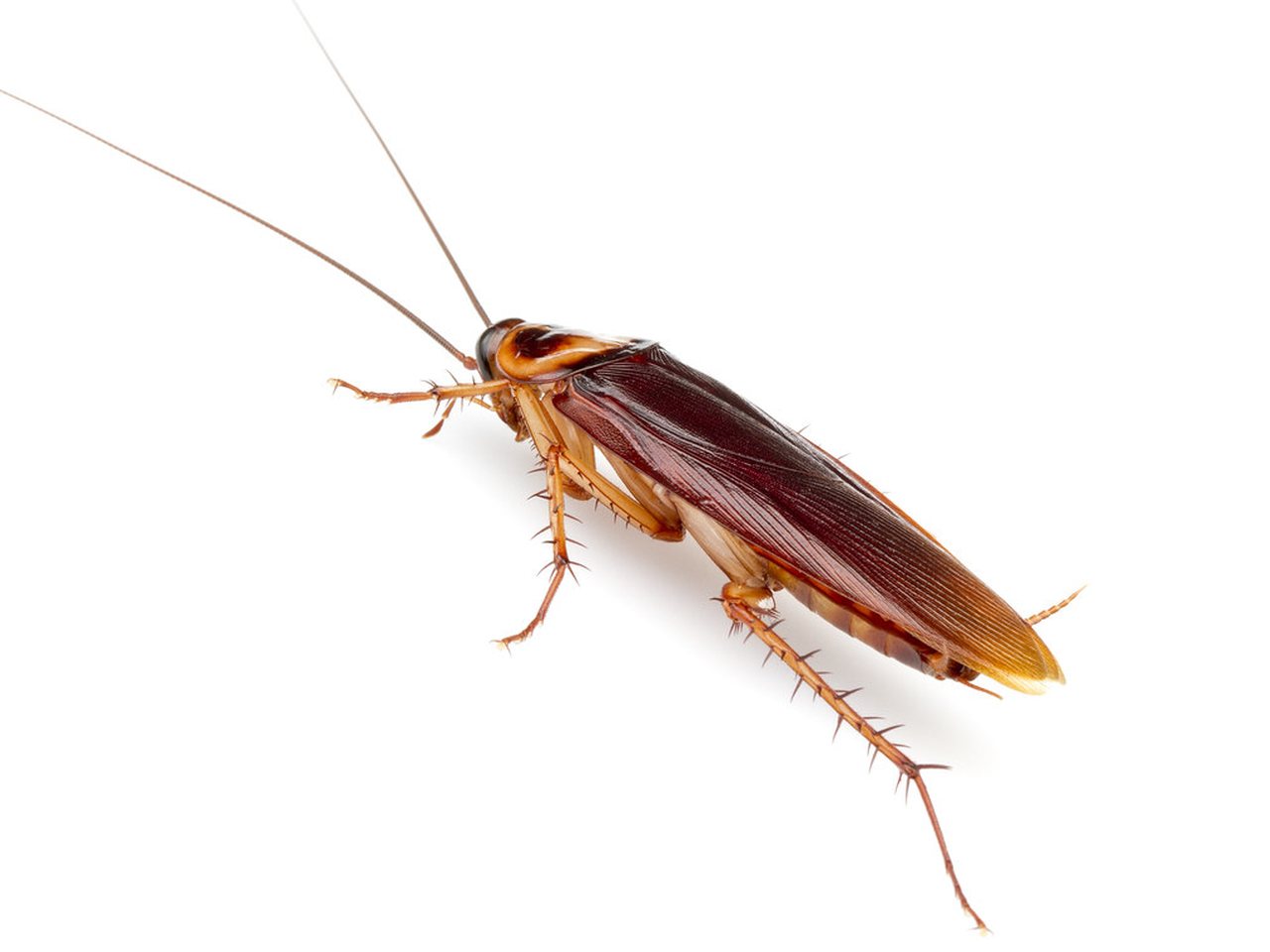
Cockroaches in Missouri City
On the Gulf Coast you fight two very different roaches: the big palmetto bug from the sewers and the German roach that breeds in your kitchen. They need opposite treatments.
Learn more about cockroaches
Commercial in Missouri City
A Texas health inspector does not care that you called. They care whether you have documentation, monitors, and a corrected finding.
Learn more about commercialQuestions
Rodents in Missouri City, answered
I hear something in my attic at night. What is it?
In the Houston area that is most often a roof rat, which climbs in over the roofline and lives in the attic. Running or gnawing noises after dark, and rice-grain droppings, point to a rat rather than a mouse. A local exterminator confirms it by the entry points and the droppings.
How long does rodent control take?
Trapping out an established population usually takes two to four weeks of servicing, with exclusion happening alongside. Sealing the structure before the animals inside are removed just traps them in the attic and the walls.
Is rodent bait safe with pets and wildlife around?
It can be a real risk. Secondary poisoning of owls, hawks, and pets from eating a poisoned rat is well documented, and a rat that dies in a wall smells for weeks. A careful exterminator favors trapping and exclusion and uses bait, if at all, in tamper-resistant stations away from living space.
Why do rats keep getting into my roof?
Because the bridge and the gaps are still there. Tree limbs touching the roof, unscreened gable vents, and gaps at the soffit and roof-to-wall junctions let roof rats in every season. Cutting the limbs back and sealing the roofline is what stops it.
Call now
Tell us what you are seeing, and where
Describe the pest, the property and how long it has been going on. You will get straight answers and an honest estimate before any work starts. No obligation.
Calls answered 7am to 9pm, seven days a week