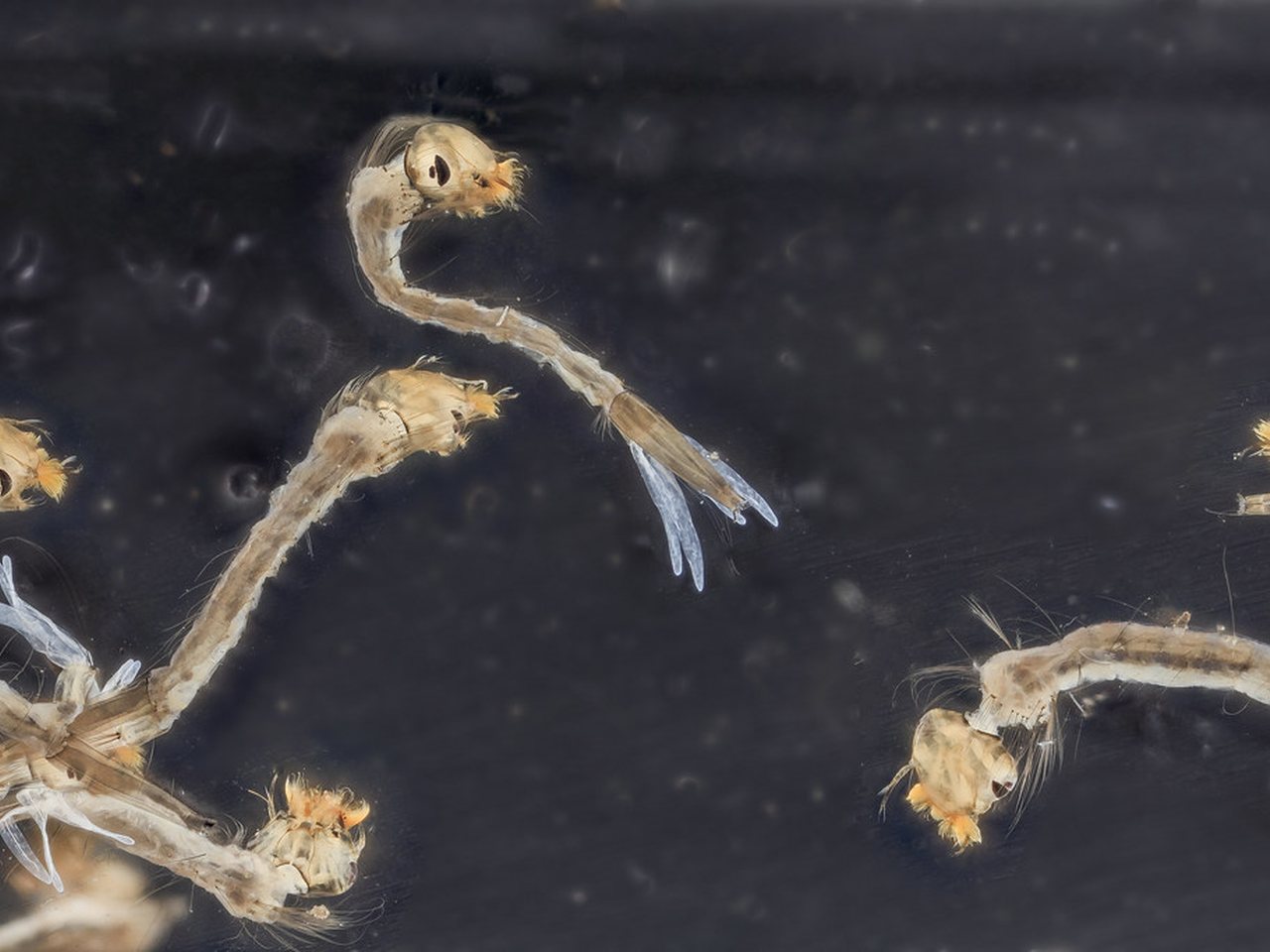
Mosquitoes
Mosquito Control in Missouri City, TX
Master-planned communities are built around detention ponds and lakes, and mosquitoes breed in every one of them. Control here is about the water, not the air.
Mosquito control in Missouri City is a battle with standing water, and this is a town with a lot of it. Sienna, Riverstone, Lake Olympia and Quail Valley are built around detention ponds, retention lakes and drainage channels, and the subtropical climate keeps mosquitoes breeding from March into November.
Why Missouri City breeds so many mosquitoes
Two mosquito groups matter here and they behave differently. Culex mosquitoes, the ones that carry West Nile virus, breed in stagnant, organic-rich water: a neglected pool, a clogged gutter, a detention pond edge, a birdbath, the saucer under a potted plant. They bite at dusk and dawn. Aedes mosquitoes, including the Asian tiger mosquito, are the aggressive daytime biters that breed in tiny containers, a bottle cap of water is enough, and they rarely travel more than a block or two from where they hatched. That last fact is the key to control: the mosquitoes biting you in the backyard almost always bred in your yard or your neighbor’s.
The Gulf Coast rain pattern loads the system. A heavy summer downpour fills every container and low spot, and a week later a new generation is flying. The detention ponds that every master-planned community is required to have will always hold some water, so the goal is not zero mosquitoes, it is knocking the population down and cutting the breeding sites close to the house.
What actually reduces the bite
The single highest-value thing anyone can do is source reduction, walking the property every week during the season and emptying anything that holds water. Tip the saucers, the toys, the tarps, the wheelbarrow, the clogged gutter, the corrugated drain pipe, the old tire, the recycling bin. A mosquito needs about a week of standing water to go from egg to adult, so a weekly dump breaks the cycle before it completes.
For the water you cannot remove, the pond edge, the drainage swale, the rain barrel, a larvicide handles the immature stage without a broadcast spray. For the adults resting in the shade during the heat of the day, a barrier treatment on the underside of leaves, the fence line, the dense shrubs and the shaded eaves knocks down the resting population and keeps knocking it down for several weeks. The two together, larvicide on the water and a barrier on the harborage, is what a mosquito program actually is.
- A property walk to find and cut the breeding sites, container by container
- Larvicide in the standing water that cannot be drained, the pond edge and the drains
- A barrier treatment on adult resting sites: shaded shrub interiors, fence lines, eaves
- Correction of the drainage and irrigation problems that keep the yard wet
- Timing around the season, heaviest from late spring through the first cool front
The disease angle, kept in proportion
West Nile virus is present in the Houston area every summer, and Fort Bend County traps and tests mosquitoes and issues alerts. Most people who are infected never feel sick, but the risk is real enough that the county runs a mosquito control program and sprays when trap counts climb. The practical takeaway for a homeowner is not fear, it is that cutting the Culex breeding sites near the house, the stagnant water, the neglected pool, the clogged gutter, does double duty: fewer bites and lower disease risk.
The mosquito that carries it is a dusk-and-dawn biter, so the old advice holds, drain the standing water, use repellent in the evening, and keep the screens intact. A yard program handles the part you cannot do by hand.
Season, week by week
March and April: the first warm rains start the season. Early source reduction now pays off all summer. May through September: peak. The population rebuilds within a week of every rain, and daytime Aedes biting makes the backyard unusable at the worst of it. This is the window when a barrier program earns its keep. October and into November: activity tapers with the first real cool fronts, but a warm, wet autumn can keep them flying past Thanksgiving.
The yards that stay usable in July are the ones that got ahead of it in April. If you are already being driven indoors, a knockdown plus a barrier gets the yard back while the source reduction catches up.
Read more on mosquito prevention in Fort Bend County, or call 281-801-0043 and describe what you are seeing.
mosquito prevention in Fort Bend County · All pest control services in Missouri City
Related
People who called about this also called about
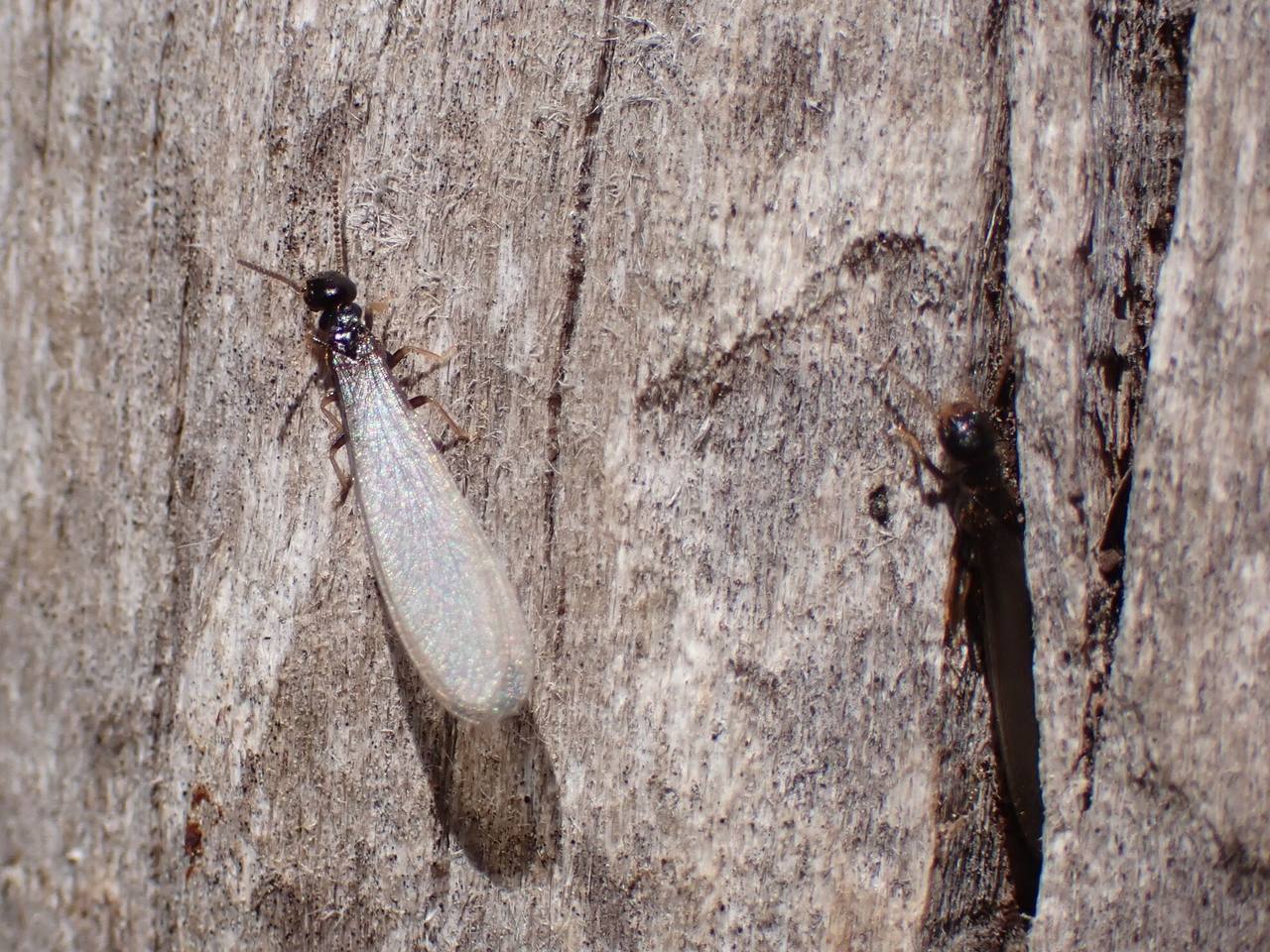
Termites in Missouri City
The Gulf Coast has the worst termite pressure in Texas, and the Formosan is the reason. On a slab home the damage is done before you ever see a swarmer.
Learn more about termites
Fire Ants in Missouri City
Imported red fire ants own the Gulf Coast. In gumbo clay they build the mounds you see after every rain, and a single sting teaches you to take them seriously.
Learn more about fire antsQuestions
Mosquitoes in Missouri City, answered
Does mosquito spraying actually work?
A barrier treatment on adult resting sites reduces the biting population for several weeks, and larvicide stops the next generation in the water. Neither works alone for long if the breeding sites around the house are left in place, which is why source reduction is part of every real program.
How often does a mosquito program need service?
Barrier treatments are typically reapplied every three to four weeks through the season, because the product breaks down and new adults keep emerging. Some homeowners do one-time knockdowns before an event and handle the rest with source reduction.
Are the treatments safe for pets and pollinators?
A careful exterminator treats resting sites in shade and avoids blooming plants where bees forage, and keeps product off flowering vegetation. Ask about the product and the re-entry interval, and keep pets off treated foliage until it dries.
Why are the mosquitoes so bad right after it rains?
Rain fills every container and low spot, and a mosquito can go from egg to biting adult in about a week. A heavy downpour today is a new generation of biters next week, which is why weekly source reduction matters so much here.
Call now
Tell us what you are seeing, and where
Describe the pest, the property and how long it has been going on. You will get straight answers and an honest estimate before any work starts. No obligation.
Calls answered 7am to 9pm, seven days a week