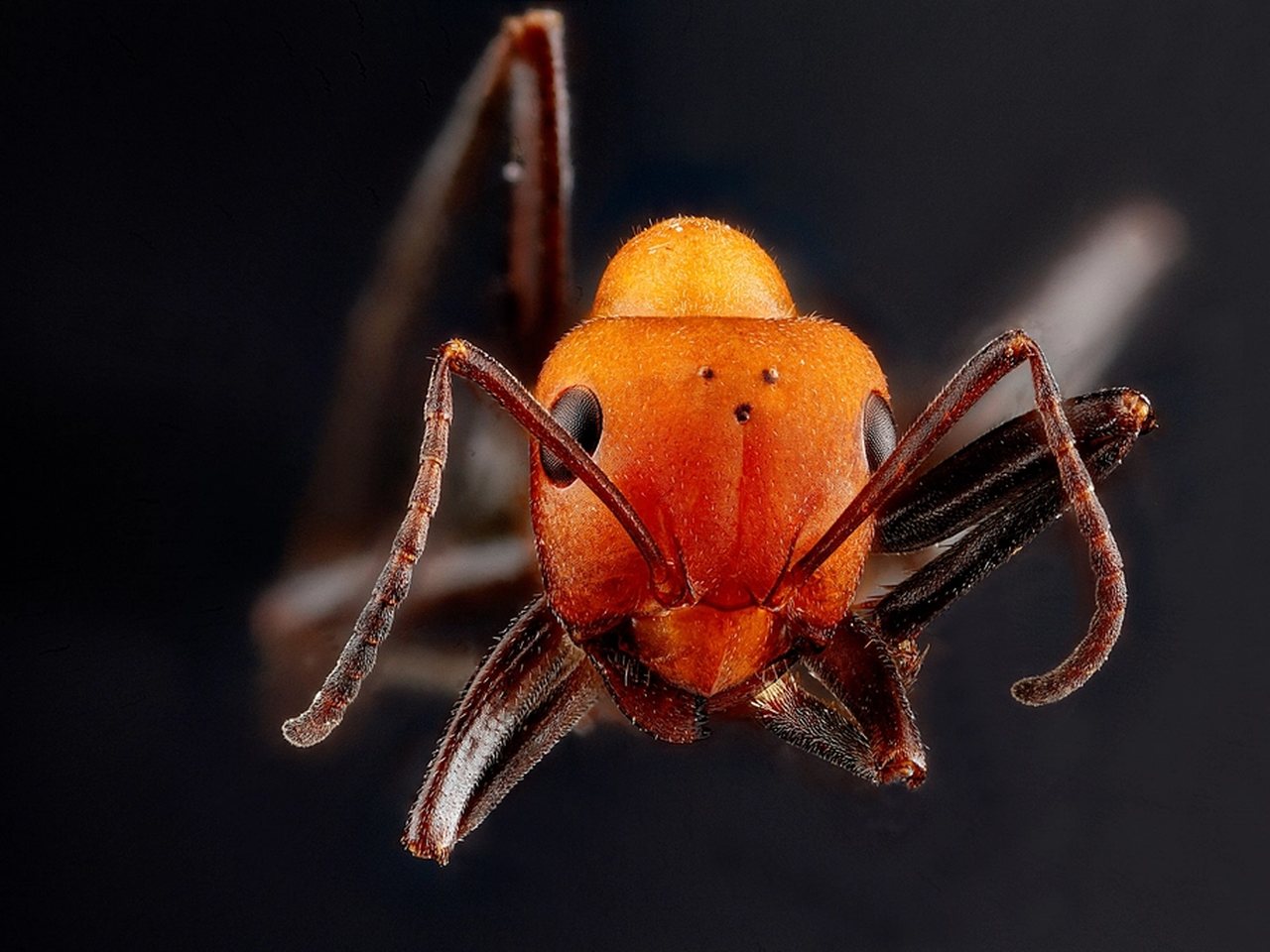
Ants
Ant Extermination in Missouri City, TX
Fire ants get the headlines, but the ants inside your house are usually a different species, and the tawny crazy ant is its own special Gulf Coast problem.
Ant extermination in Missouri City means knowing which ant you have, because the Gulf Coast runs several household species that look similar on a countertop and behave nothing alike. Treat the wrong one and the trail is back in two weeks, or worse, you split the colony and make it spread.
The ants that get into Missouri City homes
The tawny crazy ant, sometimes called the Rasberry crazy ant, is the Gulf Coast’s signature problem and it is genuinely different. It is a small reddish-brown ant that darts in fast, erratic bursts rather than a neat line, and it builds enormous multi-queen supercolonies with no single nest to target. It does not sting, but it comes indoors in overwhelming numbers, it nests in wall voids, potted plants, and outdoor electrical boxes, and it is famous for shorting out irrigation controllers, AC units, and electronics. Standard repellent sprays make it worse by scattering it.
Odorous house ants are the tiny brown ants trailing along the counter and the caulk line, and they smell like a rotten coconut when crushed. They nest in dozens of satellite colonies, so a repellent spray splits them into more colonies rather than killing them. Rover ants and pharaoh ants show up in kitchens and bathrooms too, and pharaoh ants above all must never be sprayed, because spraying triggers them to bud into multiple new colonies throughout the building. Carpenter ants nest in wood that has stayed wet, which on a slab home usually means a chronic leak.
Why the store-bought spray backfires
A can of ant spray kills the ants you can see, which are the foragers, about five percent of the colony. The queens and the brood never come near the counter. Worse, most consumer sprays are repellent, and for several of the ants here, odorous house ants, pharaoh ants, tawny crazy ants, a repellent spray does not just fail, it actively makes the problem bigger by splitting the colony into satellites that scatter and re-establish.
The species that matters most for this is the pharaoh ant, common in warm Gulf Coast buildings and multifamily housing. Spray a pharaoh ant trail and you can turn one colony into five. This is the single best reason to identify the ant before treating, and the reason a local exterminator leads with baits and non-repellents rather than a spray.
How a local exterminator treats ants here
Identification first, then baiting. Non-repellent products and slow-acting gel or granule baits get carried back down the trail and shared through the colony, so the queens and the brood are reached, not just the foragers. The trail may look busier for a couple of days while the bait is moving, then it goes quiet. For the tawny crazy ant, where there is no single nest to hit, the work is a treated perimeter, void treatment where they are entering, and managing the outdoor harborage, because you are suppressing a supercolony, not eliminating a nest.
The exterior is half the job. Missouri City yards put ant colonies right against the foundation without anyone noticing: mulch piled against the brick, potted plants on the patio, irrigation boxes and meter boxes, tree limbs touching the roof, and the moist soil along the slab. A treated perimeter without pulling the mulch back and cutting the touch points is a perimeter that gets re-colonized within the month.
- Species identification before any product is chosen
- Non-repellent perimeter treatment and gel or granule baiting on active trails
- Void and entry-point treatment for crazy ants and wall-nesting species
- No repellent spraying on pharaoh or odorous house ants, which split when sprayed
- Harborage correction: mulch lines, potted plants, irrigation boxes, roof touch points
The crazy ant season
Tawny crazy ant numbers build through the warm months and peak in the heat of summer, when the supercolony can push millions of workers into and around a structure. Homeowners describe it as the ground moving. Because there is no central nest to destroy and the colony spans property lines, crazy ant work is about suppression and exclusion rather than a single knockout, and it usually takes ongoing treatment through the season.
The other household ants track the same warm-season pattern, foraging hardest from spring through fall and pushing indoors when it gets very hot and dry or after heavy rain floods their outdoor nests. A trail you ignore in spring is a wall-void colony by late summer.
Read more on fire ants and the gumbo-clay problem, or call 281-801-0043 and describe what you are seeing.
fire ants and the gumbo-clay problem · All pest control services in Missouri City
Related
People who called about this also called about

Fire Ants in Missouri City
Imported red fire ants own the Gulf Coast. In gumbo clay they build the mounds you see after every rain, and a single sting teaches you to take them seriously.
Learn more about fire ants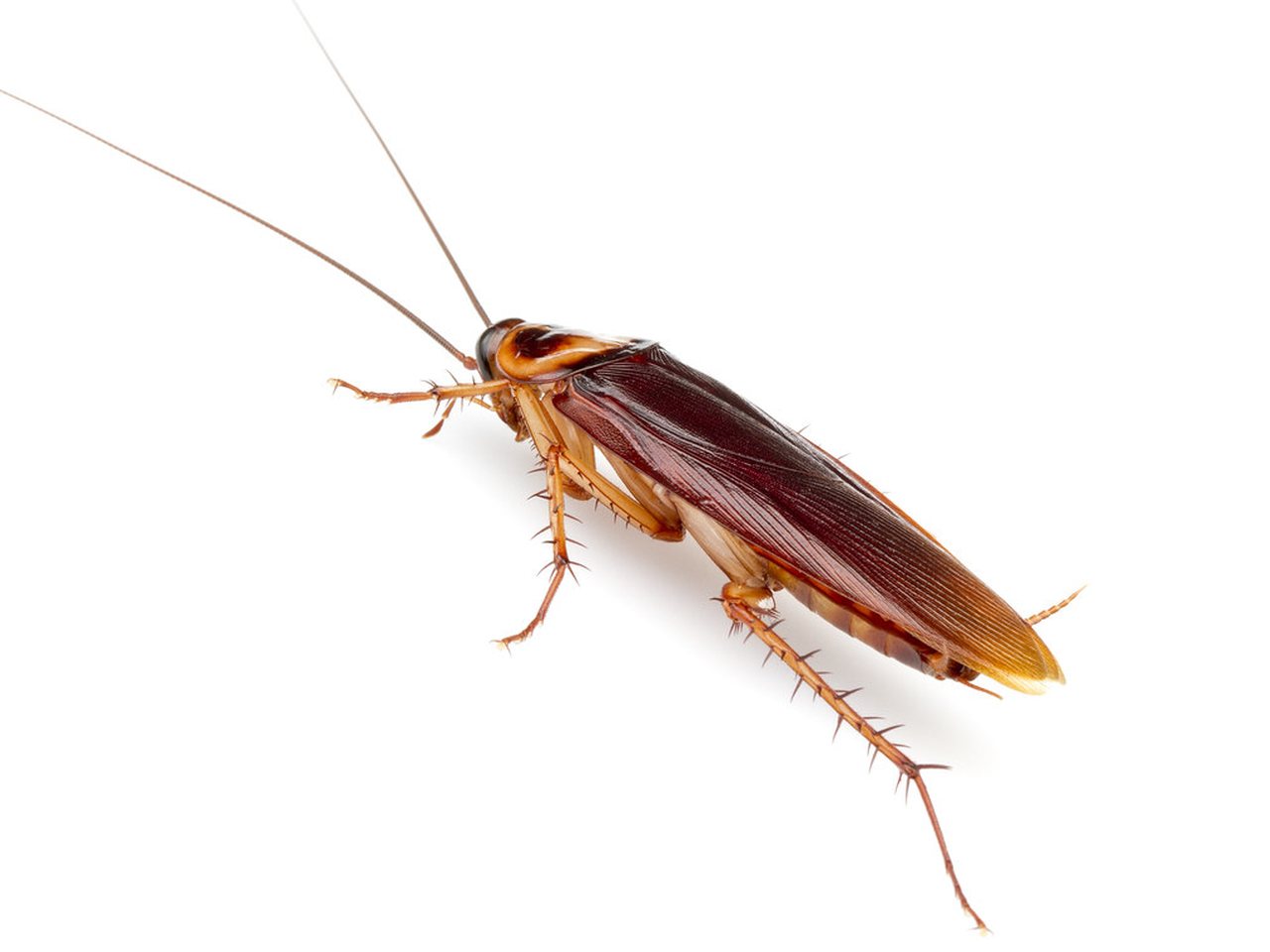
Cockroaches in Missouri City
On the Gulf Coast you fight two very different roaches: the big palmetto bug from the sewers and the German roach that breeds in your kitchen. They need opposite treatments.
Learn more about cockroachesQuestions
Ants in Missouri City, answered
What are the ants that move in fast zigzags, not a line?
Those are almost always tawny crazy ants, the Gulf Coast’s signature ant problem. They form huge multi-queen supercolonies, come indoors in overwhelming numbers, and are known for shorting out electronics and AC units. They need suppression and exclusion, not a single spray.
Why does spraying make my ant problem worse?
Several ants here, pharaoh ants and odorous house ants especially, respond to a repellent spray by budding into multiple new colonies. Spraying a pharaoh ant trail can turn one colony into five, which is why identification and baiting come before any spray.
How long does ant treatment take to work?
Baited colonies usually go quiet in one to two weeks. Activity often increases for a few days first while the bait is carried back to the queen, which is the treatment working, not failing. Crazy ant suppression is ongoing through the warm season.
Why do the ants keep coming back?
Usually because the conditions did not change. Mulch against the brick, potted plants on the patio, a leaking hose bib, or a limb touching the roof will re-seed a colony no matter how well the last trail was treated.
Call now
Tell us what you are seeing, and where
Describe the pest, the property and how long it has been going on. You will get straight answers and an honest estimate before any work starts. No obligation.
Calls answered 7am to 9pm, seven days a week